
Contact Us
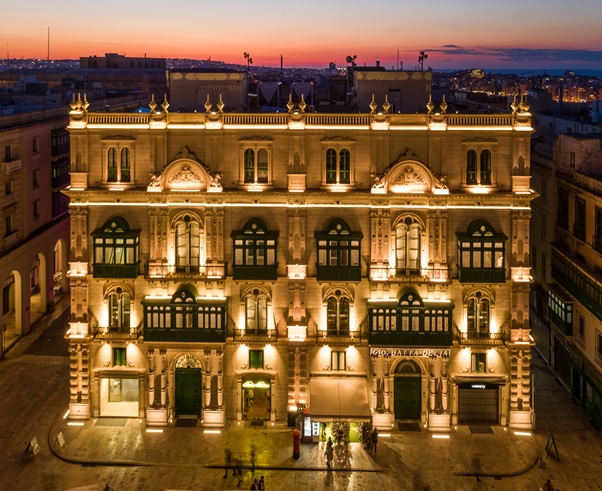
In the realm of architectural design, lighting transcends its purely practical function, evolving into a captivating form of art that shapes and defines spaces. Architectural lighting design goes beyond mere illumination; it becomes a meticulous craft that transforms structures into living canvases, painting with light to evoke emotions and enhance experiences.
The Meticulous Craft: Orchestration of Light
Architectural lighting design is the artistic orchestration of light to emphasize the aesthetics and functionality of buildings. It involves a thoughtful integration of natural and artificial light sources, considering the unique characteristics of the architectural space and the desired atmosphere.
This practice turns physical structures into dynamic compositions where light becomes a crucial design element, seamlessly complementing both the natural and the artificial.
Key Design Elements:
Integration: Blending natural and artificial light sources.
Aesthetics: Highlighting the architectural form.
Functionality: Ensuring usability while maintaining atmosphere.
Composition: Treating light as a structural element.
Creating Atmospheres: The Marriage of Light and Space
Architectural lighting is not just about providing light to a specific space; it's about creating atmospheres where all elements interact with perfect naturalness. This is where the light designer plays a fundamental role, reaching a point where small changes result in incredible environments.
The balance between light and shadow becomes a dynamic tool for light designers, allowing them to sculpt environments and guide human perception.
Venue Lighting Goal Effect Achieved
Restaurants Subtle, indirect illumination. Enhances the intimacy of the space.
Museums Carefully directed and focused light. Allows collections to be precisely exhibited.
The Historical Narrative
A similar scenario can be observed in grand cathedrals, where the light and colour of stained-glass windows interact exquisitely. We can witness how natural light creates a combination of colours, resembling a kaleidoscope that evolves throughout the day.
Architectural lighting aims to respect historical context while introducing a contemporary component, ensuring that the play of lights remains an integral part of the structure's narrative.
The Future of Lighting: Sustainable and Intelligent Designs
As we move towards the future, sustainable practices and intelligent technologies play an increasingly crucial role in architectural lighting design.
Innovations in LED, coupled with energy-efficient strategies, offer environmentally friendly solutions aligned with the global pursuit of sustainability. Furthermore, Smart lighting systems provide dynamic control over illumination, adapting to the changing needs of occupants and the environment.
Illuminating Possibilities
In conclusion, the artistry of architectural lighting design reveals a world where light becomes a means to tell stories, evoke emotions, and enhance aesthetics. Beyond functionality, it transforms buildings into captivating narratives, prompting us to reconsider the relationship between light and architecture.
Unveiling the symbiosis of form and function, architectural lighting design emerges as an alchemical blend of precision and creativity.
This transformative process transcends the mundane, turning structures into dynamic narratives with the deft stroke of light. The light designer's expertise, akin to a maestro orchestrating a symphony, shapes environments where nuanced adjustments birth extraordinary atmospheres. As we continue to push boundaries and embrace technological advances, the future promises even more spectacular displays of artistic illumination in the architectural landscape.